Ahmedabad is one of India's most distinctive cities, and the country's first UNESCO World Heritage City.
Once called the "Manchester of India", it still makes textiles, medicines and chemicals. It is now home to GIFT City, India's first and only working International Financial Services Centre. The city is fast, ambitious, famously safe and good value. Six centuries of walled-city heritage sit beside a modern western city along the Sabarmati Riverfront.
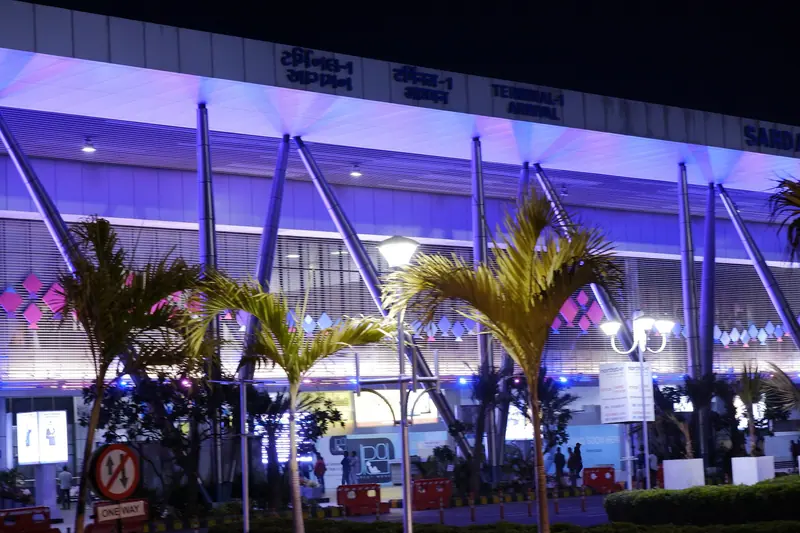
India's first International Financial Services Centre, global banks, fund houses and fintechs in a smart-city campus
UNESCO Heritage City
India's first World Heritage City (2017), the walled old town and its living "pol" neighbourhoods
Manchester of India
A historic textile and denim powerhouse, Gujarati enterprise at its most enduring
Pharma & Industry
HQ to Zydus, Torrent, Intas and the Adani Group, a corporate capital in its own right
Sabarmati Riverfront
An 11km landscaped promenade with the Atal pedestrian bridge stitching the city together
Kite Festival Capital
Uttarayan fills the January sky with kites, the world-famous International Kite Festival
Navratri & Garba
Nine nights of Garba, billed as the world's largest dance festival
Vegetarian Food Capital
The famous unlimited Gujarati thali and a deep culture of farsan snacks
Narendra Modi Stadium
The world's largest cricket stadium at Motera, 132,000 seats
Metro + India's First BRTS
A modern metro now reaching GIFT City & Gandhinagar, plus the Janmarg BRTS, buses that run in their own lanes
Gandhi's Sabarmati Ashram
The launchpad of the freedom movement and the 1930 Dandi Salt March
Among India's Safest
Consistently ranked one of India's safest, cleanest big cities, easy for families
Layout & Zones
Ahmedabad is split by the Sabarmati River. The eastern bank holds the historic walled city, the dense, atmospheric pols of the UNESCO-listed old town, plus older industrial districts. The western bank is the modern city, where almost all expats live and work: Satellite, Vastrapur, Bodakdev, Thaltej, Prahlad Nagar and the booming Sindhu Bhavan Road, all hanging off the arterial S.G. Highway spine. To the north, Gandhinagar, the green, planned state capital, and GIFT City, India's flagship finance hub, form a twin-city corridor now linked by metro.
2026 Infrastructure Watch: The Ahmedabad Metro's Phase 2 to GIFT City and Gandhinagar was completed in January 2026, putting the finance hub within a direct ride of the western suburbs. The Mumbai-Ahmedabad bullet train corridor is under construction. The Sabarmati Riverfront keeps expanding with the Atal Bridge and new event spaces, and GIFT City's residential and social infrastructure is maturing quickly.
02Culture & Heritage
History and heritage
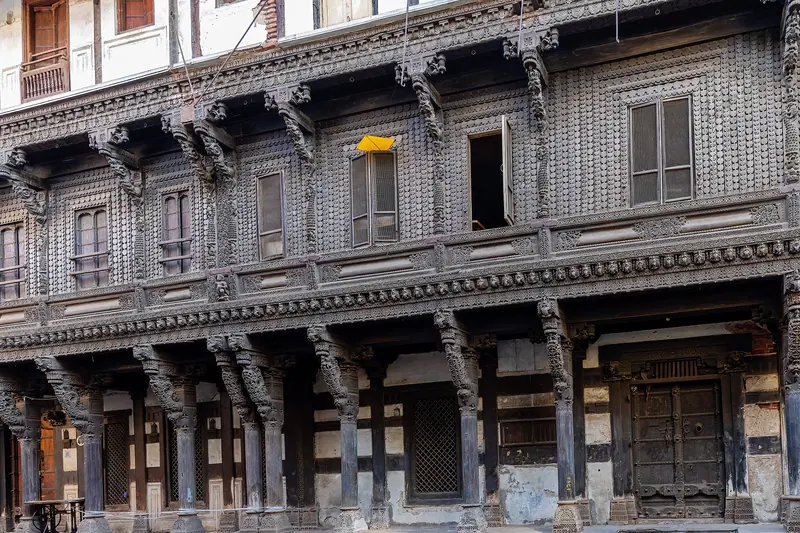
Ahmedabad was founded in 1411. It has Indo-Islamic sultanate architecture, Hindu and Jain temples, the carved wooden havelis (old mansions) of the pols (the old city's gated lanes), and Gandhi's Sabarmati Ashram. In 2017 the walled city became India's first UNESCO World Heritage City. People still live in it, which makes it unlike anywhere else in the country.
Nine nights of Garba and Dandiya-Raas, danced in swirling traditional dress across grounds, societies and clubs citywide, billed as the world's largest dance festival. Ahmedabad is its beating heart, and the energy is extraordinary. Join your society's Garba and you are instantly part of the community.
On 14 January, the entire city takes to the rooftops and the sky disappears behind millions of kites. Ahmedabad hosts the official International Kite Festival on the Sabarmati Riverfront, with master kite-flyers from around the world. It is one of India's most joyful, communal spectacles.
Mahatma Gandhi's riverside ashram, established in 1917, was the launchpad of the 1930 Dandi Salt March and much of the independence movement. Hriday Kunj, his simple cottage, and the serene museum and grounds are the city's most moving site, and free to visit.
The walled city's pols, tight-knit residential clusters of carved wooden havelis, secret passages and community squares, are the soul of the UNESCO World Heritage City. The early-morning AMC Heritage Walk, from Swaminarayan Temple to the Jama Masjid, is the best way to experience it.
Year-round
Monuments & Museums
Don't miss the Sidi Saiyyed Mosque's carved stone "Tree of Life" jali (the city's emblem and the IIM-A logo), the 1499 Adalaj Stepwell, Bhadra Fort and Teen Darwaza, and the famous Calico Museum of Textiles (advance-booked guided tours only), among India's finest collections.
03Climate
Ahmedabad's three seasons
Ahmedabad has a hot, semi-arid climate: a long, intense summer, a humid monsoon and a short, lovely winter. The heat is the big thing to prepare for. April to June is fierce, and air conditioning is essential.
3,000+
Sunshine Hours / Year
~800mm
Rainfall · Jul-Sep
10 to 45°C
Annual Temperature Range
45°C+
Peak Summer · May
12 to 28°JanIdeal
15 to 31°FebPleasant
20 to 36°MarWarming
24 to 40°AprHot
27 to 42°MayPeak Heat
28 to 39°JunHot/Humid
26 to 34°JulMonsoon
25 to 32°AugMonsoon
25 to 34°SepHumid
22 to 36°OctWarm
17 to 33°NovIdeal
14 to 30°DecIdeal
Best monthsWarmHotMonsoonBest months in Ahmedabad: Jan, Feb, Nov, Dec
Each month shows the average daily low and high in °C, from the India Meteorological Department's 1991 to 2020 normals for Ahmedabad. Checked 7 Oct 2026.
Winter · Ideal Season
November · February
Ahmedabad's finest months. Warm, dry, sunny days (28 to 31°C) with cool nights dropping to 10 to 14°C, pack a light jacket for December and January evenings. This is when Uttarayan, the social calendar and weekend trips to Kutch and Gir are at their best.
Light jacket for Dec/Jan evenings
Uttarayan kite festival on 14 January
Best window for Rann of Kutch & Gir
Hot & Dry Summer
March · June
The defining season. Daytime temperatures climb to 40 to 42°C and can spike to 44 to 45°C in May, with intense sun and high UV. The heat is dry rather than humid, but it is serious, air conditioning is non-negotiable and summer electricity bills are significant. Plan outdoor activity for early morning.
40-45°C · AC essential, service it before April
Hydration critical, keep ORS sachets at home
Outdoor plans early morning or after sunset
Monsoon
July · September
The south-west monsoon brings around 800mm of rain, most of it in July and August, with humid air and occasional heavy downpours that can waterlog low-lying roads. It is a welcome relief from the summer heat, the city greens up, and highs settle to a more comfortable 33 to 34°C.
Your homes, dates and papers are in i-Navigate, IKAN's app for families. It opens with the email address your IKAN consultant has for you, then sends you a six digit code.
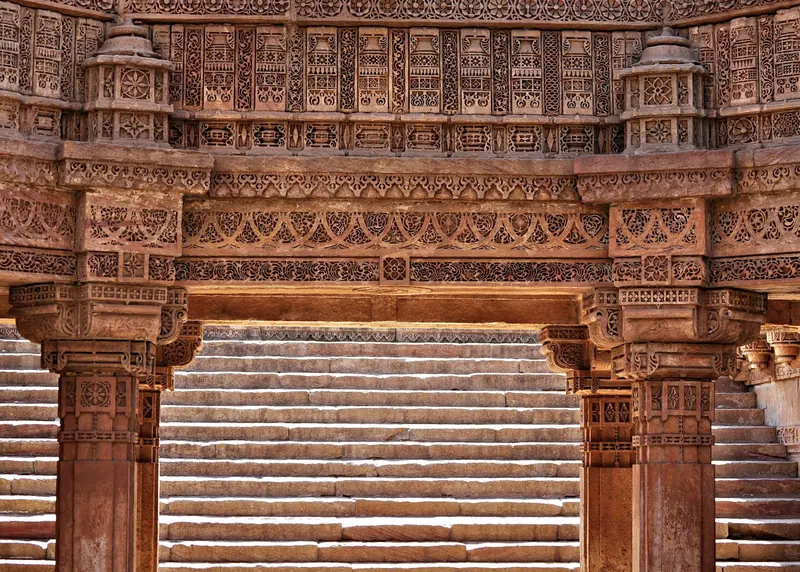
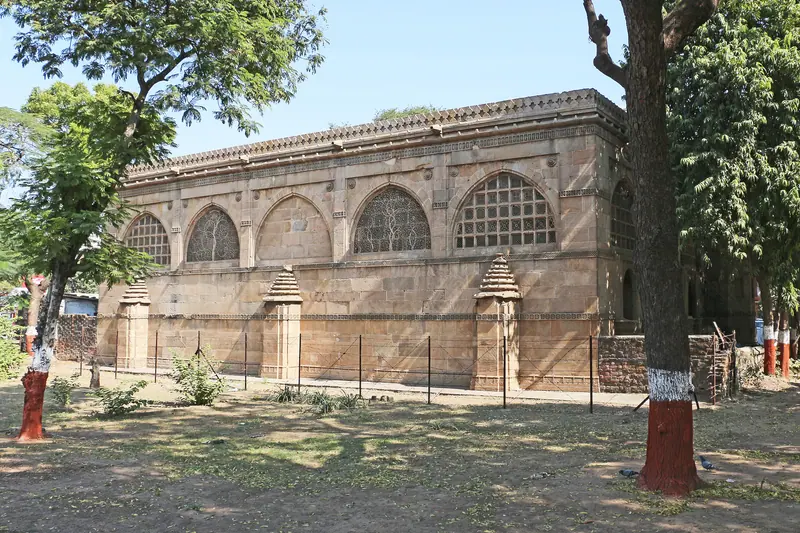
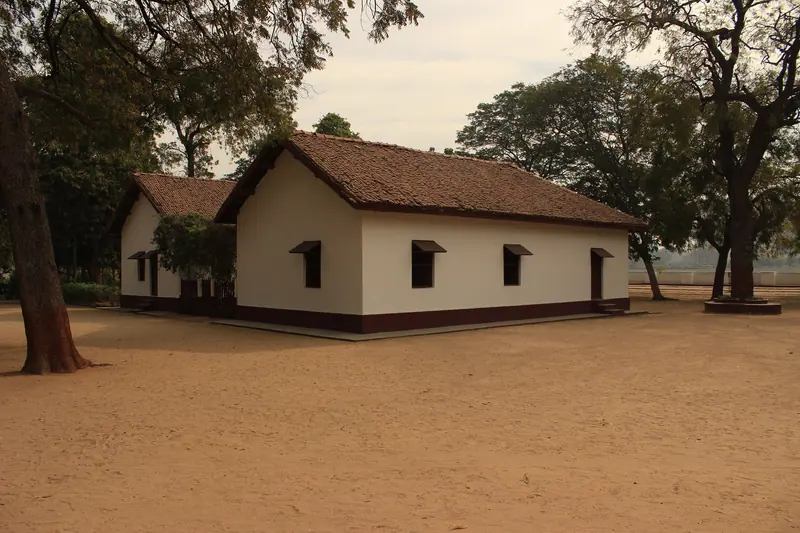
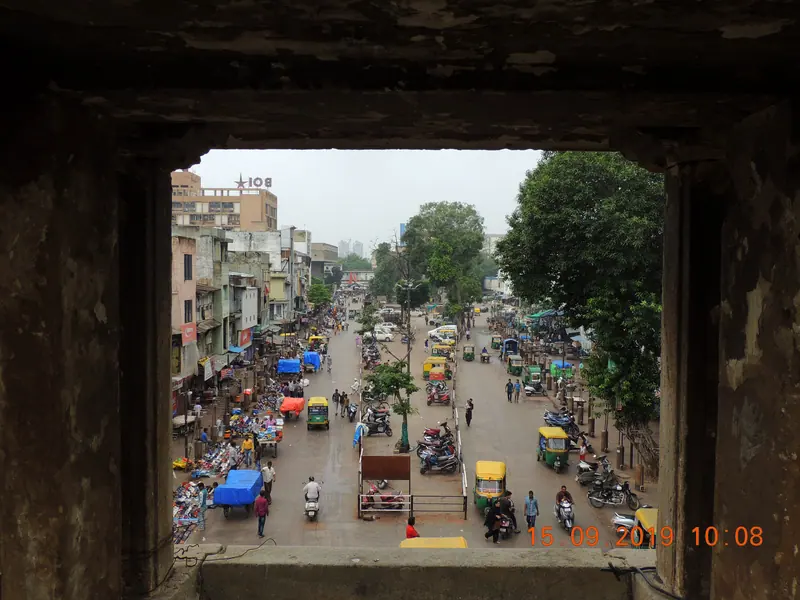
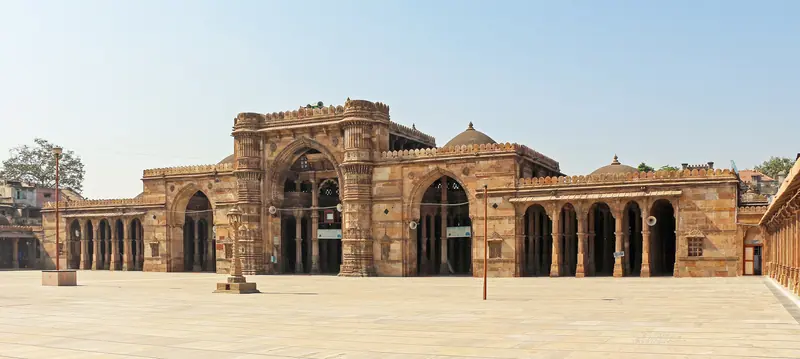
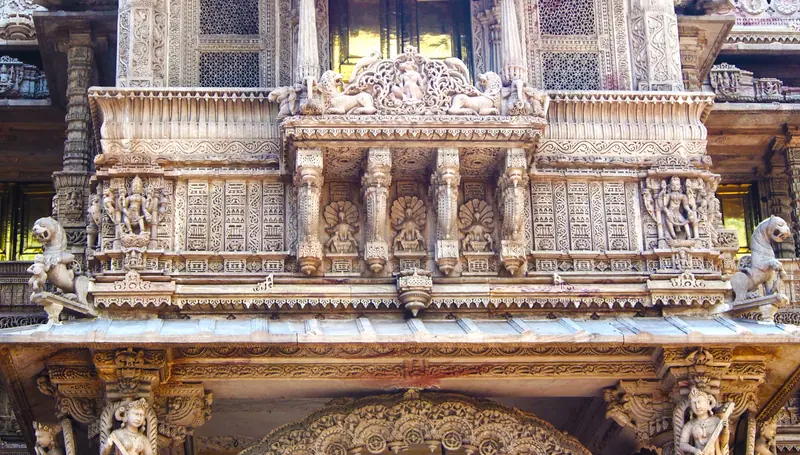
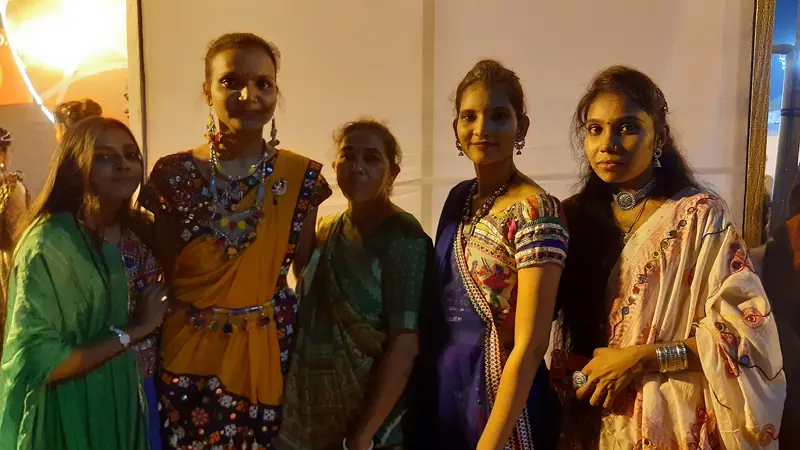
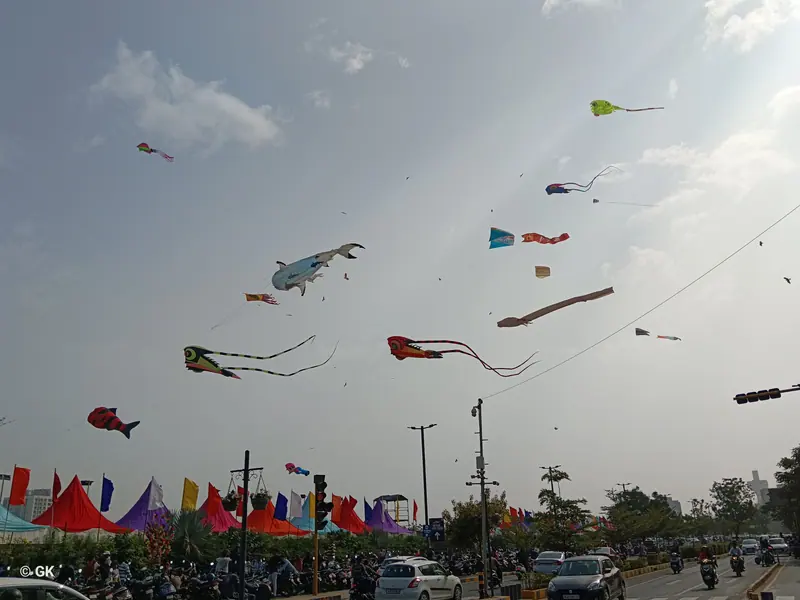 Photo: Gopalkhetani, CC BY-SA 4.0
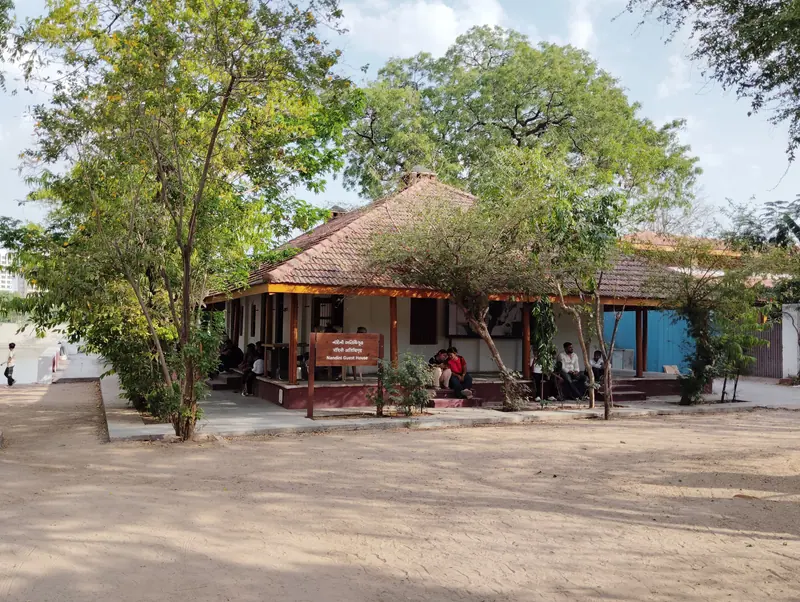 Photo: Nizil Shah, CC BY-SA 4.0